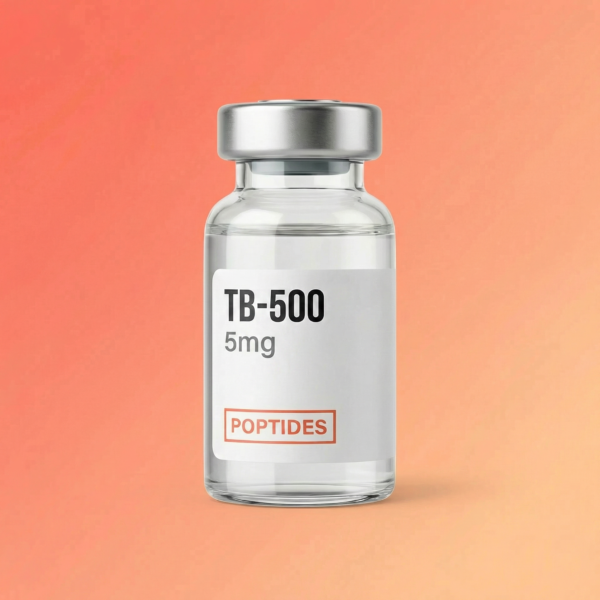
TB-500 (Thymosin Beta-4 Acetate)
TB-500 — synthetic Thymosin Beta-4 fragment that drives tissue repair through actin polymerisation, anti-inflammatory signalling, and angiogenesis.
- Promotes actin polymerisation — fundamental to cell migration and tissue repair
- Reduces systemic and local inflammation via downregulation of NF-kB and inflammatory cytokines
- Stimulates angiogenesis — new blood vessel formation in injured tissue
- Improves flexibility and reduces adhesion formation after injury
- Supports hair follicle activation and skin repair as secondary benefits
Why people research TB-500 (Thymosin Beta-4 Acetate)
These are the specific situations and goals that lead researchers to TB-500 (Thymosin Beta-4 Acetate). For research purposes only.
Dosage Calculator
Reference dosing by experience level. For research use only — always consult a licensed healthcare provider.
⚠ For research reference only. TB-500 (Thymosin Beta-4 Acetate) is not approved for human use. Always consult a qualified healthcare professional.
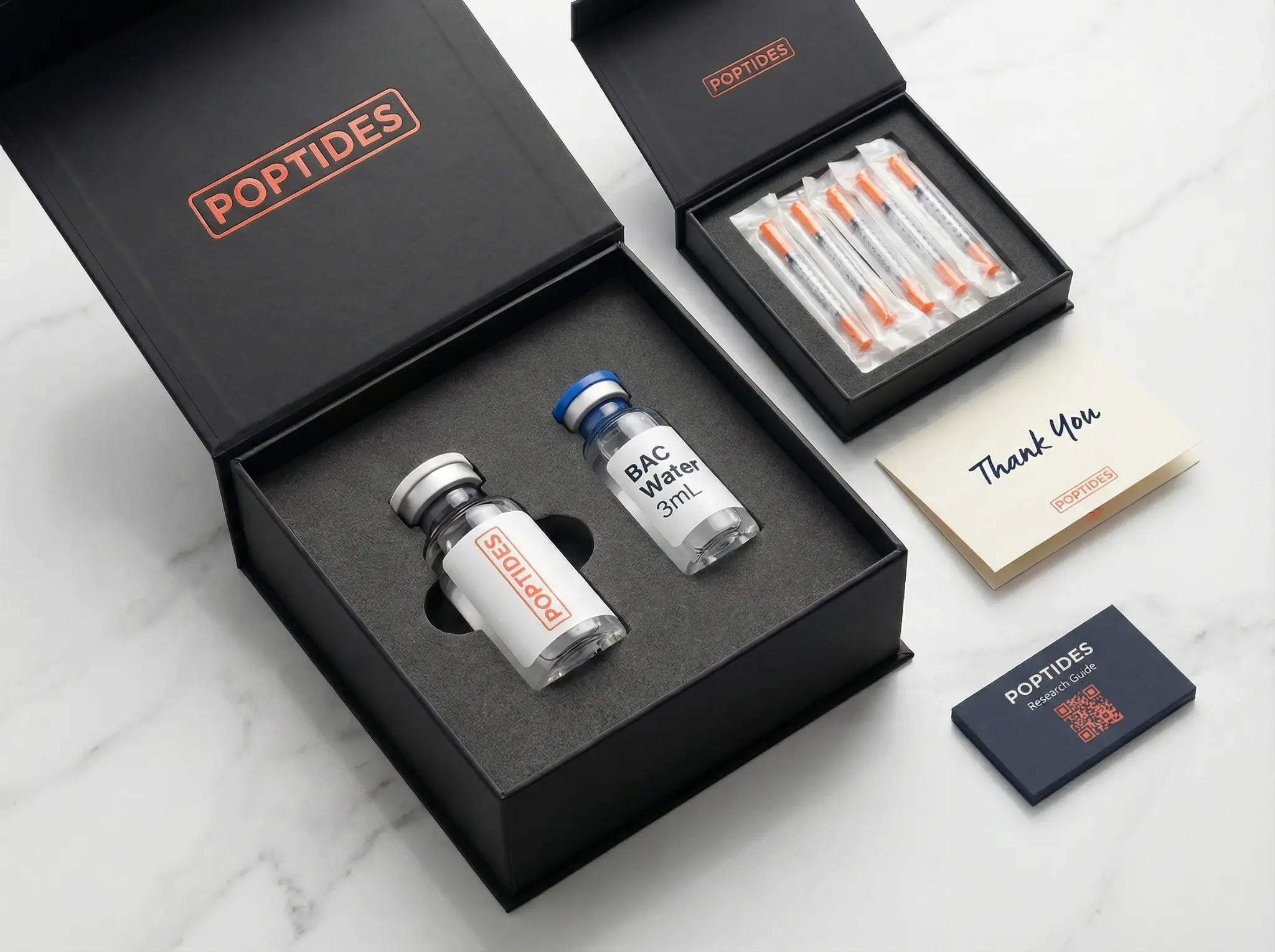
What's in the Box
Every Poptides order arrives in premium packaging, ready to use.
TB-500 (Thymosin Beta-4 Acetate) Vial
Your selected amount of lyophilized TB-500 (Thymosin Beta-4 Acetate) in a sealed, sterile glass vial with silver crimp cap. COA included on request.
BAC Water 3mL
Bacteriostatic water for reconstitution, included with every injectable peptide order. Maintains sterility for multi-dose use.
Syringe Kit
5 × insulin syringes with orange caps, individually sealed, in a dedicated Poptides-branded box.
Research Guide Card + Thank You Note
A QR code card linking to your product's research guide, plus a personal thank you note from the Poptides team.
Discreet Outer Packaging
All orders ship in plain, unmarked outer packaging with no reference to Poptides on the exterior.
How TB-500 (Thymosin Beta-4 Acetate) Works
The mechanism of action, step by step.
Actin Polymerisation
TB-500 binds G-actin (monomeric actin) via its LKKTETQ sequence — sequestering actin monomers and regulating the equilibrium between G-actin and F-actin (filamentous). This modulation is fundamental to cell motility, migration into wound sites, and structural tissue repair.
NF-kB Inhibition
Thymosin beta-4 inhibits NF-kB nuclear translocation, reducing production of pro-inflammatory cytokines (TNF-alpha, IL-1beta, IL-6) at injury sites — producing an anti-inflammatory effect that accelerates the transition from inflammatory to repair phase healing.
VEGF Upregulation and Angiogenesis
TB-500 stimulates VEGF expression and endothelial cell migration, promoting the formation of new capillaries in ischaemic or damaged tissue — improving oxygen and nutrient delivery to support regeneration.
Cellular Migration and Differentiation
By modulating actin dynamics, TB-500 enhances the migration of endothelial cells, keratinocytes, and stem cells into wound and repair zones — accelerating the regenerative phase of healing across diverse tissue types.
Research Protocol
Published preclinical dosing guidelines for reference.
The Science Behind It
Peer-reviewed research supporting the mechanism of TB-500 (Thymosin Beta-4 Acetate).
Thymosin beta-4 and actin polymerisation in wound healing
TB-500's LKKTETQ actin-binding domain was shown to regulate G-actin sequestration and F-actin dynamics in wound-edge cells, promoting keratinocyte and endothelial cell migration — key events in wound closure and tissue regeneration.
FASEB Journal, 1999Anti-inflammatory mechanism of thymosin beta-4 via NF-kB inhibition
Thymosin beta-4 significantly reduced NF-kB nuclear translocation and downstream pro-inflammatory cytokine production in macrophages and endothelial cells, establishing its anti-inflammatory mechanism distinct from NSAID or corticosteroid action.
Annals of the New York Academy of Sciences, 2007Thymosin beta-4 in cardiac and skeletal muscle repair — clinical and preclinical review
Comprehensive review of TB-500's angiogenic and reparative effects in cardiac infarction, skeletal muscle injury, and corneal wound models — consistently demonstrating accelerated healing across tissue types through VEGF upregulation and cell migration enhancement.
Journal of Molecular Medicine, 2010Customer Reviews
Verified purchases from Canadian customers.
Rotator cuff recovery, half the expected time
Partial rotator cuff tear. Running TB-500 6 mg twice weekly with BPC-157 250 mcg daily. Physio could not believe how quickly I progressed. Full range of motion at 8 weeks.
The BB Blend approach works
Had been using BPC-157 alone for a knee issue. Added TB-500 and the improvement accelerated significantly. The combination covers more of the healing cascade than either alone.
Flexibility is a standout benefit
Running TB-500 for general tissue maintenance rather than acute injury. The improvement in joint flexibility and reduction in chronic stiffness has been one of the most consistent effects.
Frequently Asked Questions
You May Also Like
 TB-500 (Thymosin Beta-4 Acetate)