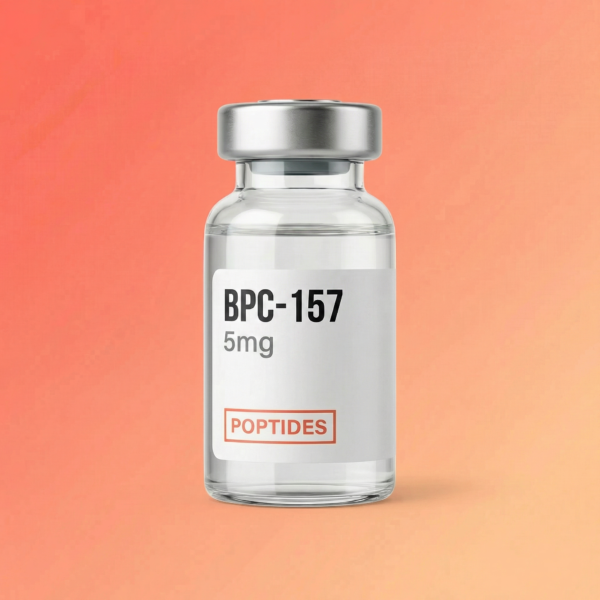
BPC-157 (Body Protective Compound 157)
BPC-157 — synthetic pentadecapeptide derived from gastric juice protein that accelerates healing of tendons, ligaments, muscle, and gut through angiogenesis and NO modulation.
- Accelerates tendon and ligament healing via angiogenesis and fibroblast stimulation
- Supports gut healing — reduces intestinal permeability and mucosal inflammation
- Reduces systemic inflammation through NO synthase modulation
- Effective both subcutaneously and orally — flexible administration
- Neuroprotective and joint-protective effects in research models
Why people research BPC-157 (Body Protective Compound 157)
These are the specific situations and goals that lead researchers to BPC-157 (Body Protective Compound 157). For research purposes only.
Dosage Calculator
Reference dosing by experience level. For research use only — always consult a licensed healthcare provider.
⚠ For research reference only. BPC-157 (Body Protective Compound 157) is not approved for human use. Always consult a qualified healthcare professional.
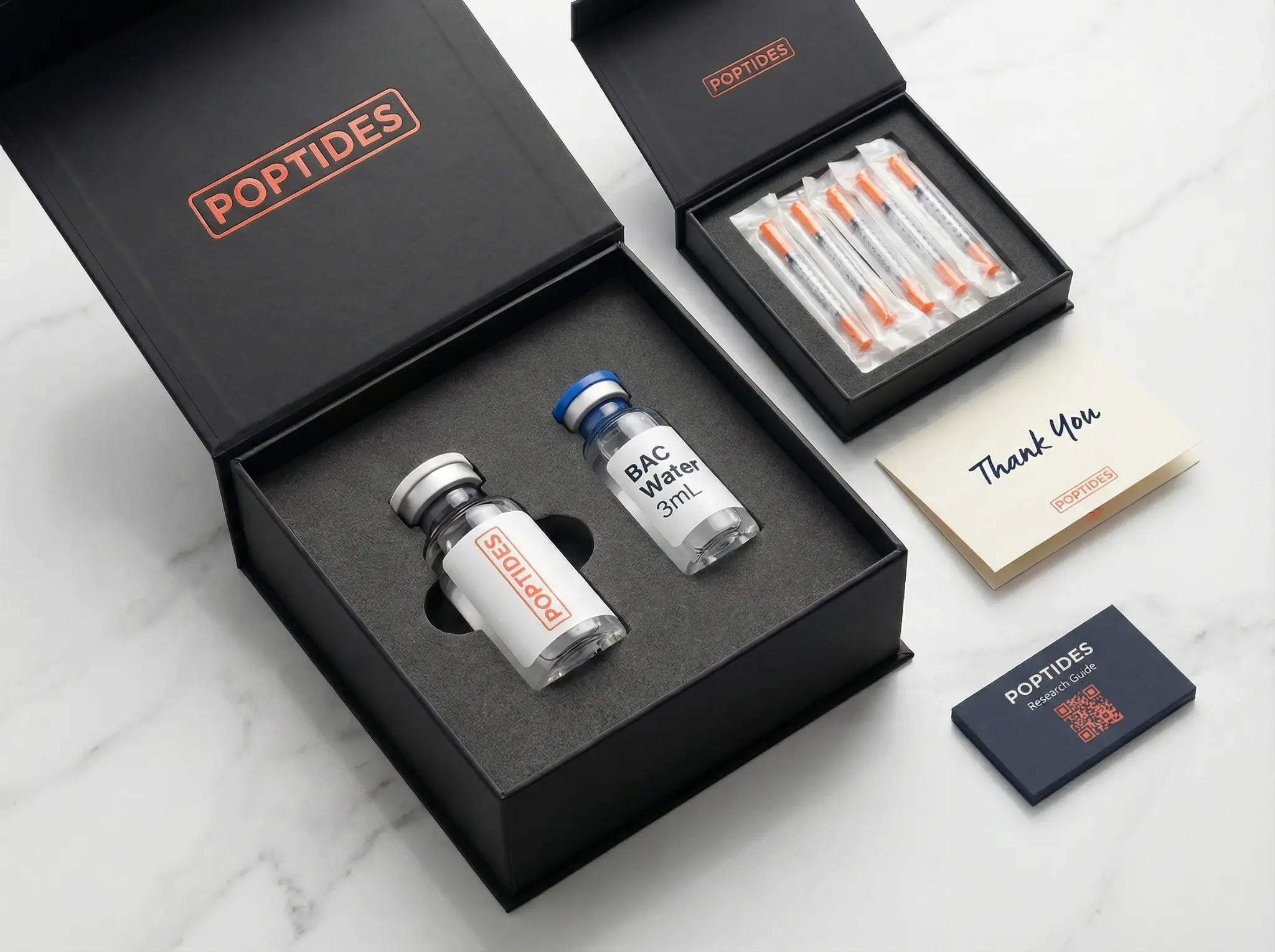
What's in the Box
Every Poptides order arrives in premium packaging, ready to use.
BPC-157 (Body Protective Compound 157) Vial
Your selected amount of lyophilized BPC-157 (Body Protective Compound 157) in a sealed, sterile glass vial with silver crimp cap. COA included on request.
BAC Water 3mL
Bacteriostatic water for reconstitution, included with every injectable peptide order. Maintains sterility for multi-dose use.
Syringe Kit
5 × insulin syringes with orange caps, individually sealed, in a dedicated Poptides-branded box.
Research Guide Card + Thank You Note
A QR code card linking to your product's research guide, plus a personal thank you note from the Poptides team.
Discreet Outer Packaging
All orders ship in plain, unmarked outer packaging with no reference to Poptides on the exterior.
How BPC-157 (Body Protective Compound 157) Works
The mechanism of action, step by step.
Nitric Oxide Modulation
BPC-157 upregulates endothelial nitric oxide synthase (eNOS) and activates the NO-cGMP pathway, producing vasodilation and improved blood flow to damaged tissue — accelerating delivery of healing factors and oxygen.
Angiogenesis Promotion
BPC-157 stimulates VEGFR2 signalling and promotes the formation of new blood vessels (angiogenesis) in injured tissue. This vascular ingrowth is a key rate-limiting step in tendon and ligament repair — which are normally poorly vascularised.
Growth Factor Upregulation
BPC-157 upregulates expression of growth hormone receptors and stimulates local production of EGF, FGF, and PDGF in injured tissue, amplifying the endogenous growth factor cascade for tissue regeneration.
Gut Mucosal Repair
Orally administered BPC-157 directly contacts the gut epithelium, reducing inflammatory cytokine production, supporting tight junction integrity, and stimulating enterocyte proliferation — with clinical relevance for leaky gut and IBD models.
Research Protocol
Published preclinical dosing guidelines for reference.
The Science Behind It
Peer-reviewed research supporting the mechanism of BPC-157 (Body Protective Compound 157).
BPC-157 accelerates tendon-to-bone healing in animal models
BPC-157 administration significantly accelerated histological tendon-to-bone healing, collagen fibre organisation, and functional recovery compared to controls, attributed to angiogenesis promotion and growth factor upregulation at the repair site.
Journal of Orthopaedic Research, 2010Nitric oxide-dependent mechanism of BPC-157 tissue-protective action
BPC-157's protective and healing effects were abolished by L-NAME (NOS inhibitor) and restored by L-arginine supplementation, confirming nitric oxide pathway dependence and establishing eNOS upregulation as a primary mechanism.
European Journal of Pharmacology, 2009Oral BPC-157 in inflammatory bowel disease models
Oral BPC-157 significantly reduced intestinal inflammation, preserved mucosal architecture, and improved gut barrier function in multiple IBD rodent models — including colitis, ileum anastomosis, and short bowel syndrome — with effects at doses as low as 10 mcg/kg.
Journal of Physiology and Pharmacology, 2013Customer Reviews
Verified purchases from Canadian customers.
Healed my Achilles in half the time
Partial Achilles tendon tear. Orthopaedic estimate was 6-8 months. Back to full training at 3.5 months. BPC-157 subQ near the injury twice daily. The difference was remarkable.
Life-changing for gut health
Years of IBS and leaky gut symptoms. Started oral BPC-157 500 mcg twice daily. By week 6 the bloating and permeability symptoms were dramatically reduced. Nothing else worked this well.
Ran it for joints and loved it
Chronic knee inflammation from years of training. BPC-157 at 250 mcg daily subQ for 8 weeks cleared the inflammation better than NSAIDs ever did. Running it twice a year now.
Frequently Asked Questions
You May Also Like
 BPC-157 (Body Protective Compound 157)