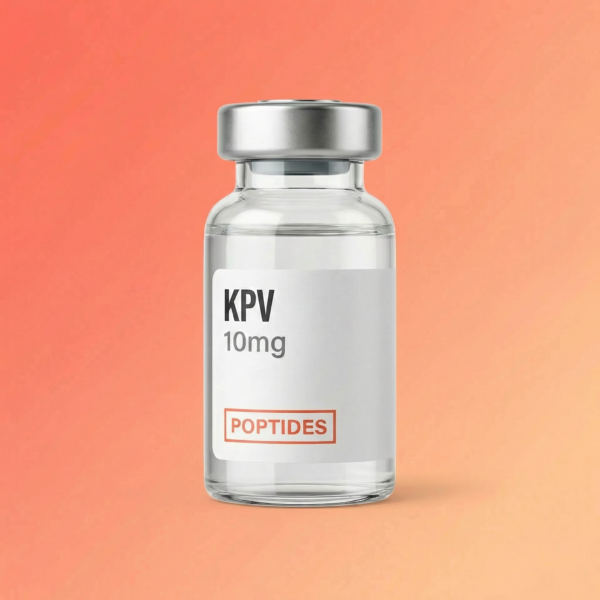
KPV (Lysine-Proline-Valine)
KPV — alpha-MSH-derived tripeptide with potent anti-inflammatory action via NF-kB inhibition and mTOR modulation, particularly effective for gut and skin conditions.
- Inhibits NF-kB directly — reduces TNF-alpha, IL-1beta, and IL-6 production
- Anti-inflammatory without immunosuppression — does not impair pathogen defence
- Effective orally — survives gut transit and reduces intestinal inflammation
- Modulates mTOR pathway — reduces cellular stress and autophagy dysregulation
- Derived from alpha-MSH — well-studied natural anti-inflammatory signalling origin
Why people research KPV (Lysine-Proline-Valine)
These are the specific situations and goals that lead researchers to KPV (Lysine-Proline-Valine). For research purposes only.
Dosage Calculator
Reference dosing by experience level. For research use only — always consult a licensed healthcare provider.
⚠ For research reference only. KPV (Lysine-Proline-Valine) is not approved for human use. Always consult a qualified healthcare professional.
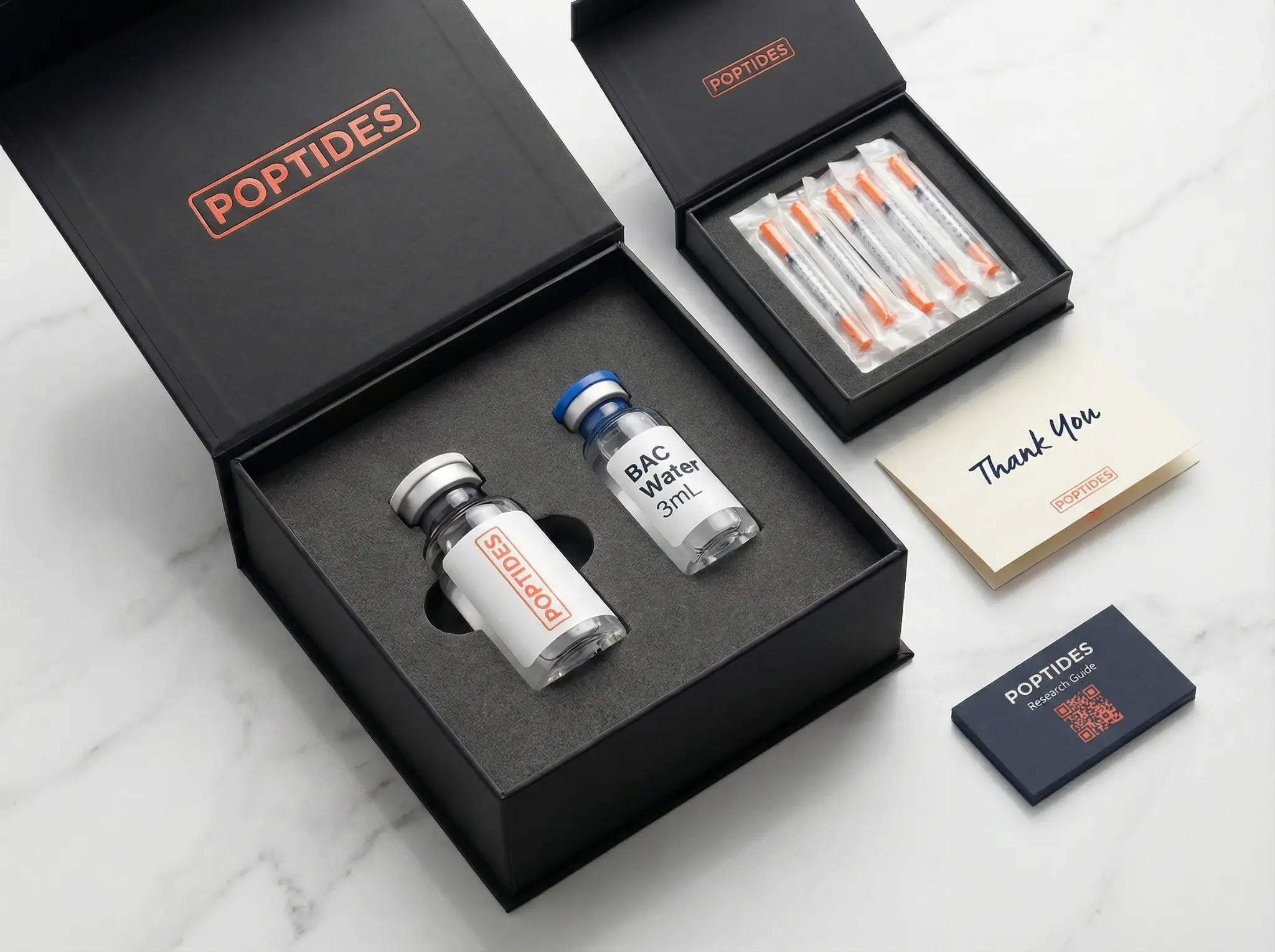
What's in the Box
Every Poptides order arrives in premium packaging, ready to use.
KPV (Lysine-Proline-Valine) Vial
Your selected amount of lyophilized KPV (Lysine-Proline-Valine) in a sealed, sterile glass vial with silver crimp cap. COA included on request.
BAC Water 3mL
Bacteriostatic water for reconstitution, included with every injectable peptide order. Maintains sterility for multi-dose use.
Syringe Kit
5 × insulin syringes with orange caps, individually sealed, in a dedicated Poptides-branded box.
Research Guide Card + Thank You Note
A QR code card linking to your product's research guide, plus a personal thank you note from the Poptides team.
Discreet Outer Packaging
All orders ship in plain, unmarked outer packaging with no reference to Poptides on the exterior.
How KPV (Lysine-Proline-Valine) Works
The mechanism of action, step by step.
NF-kB Inhibition
KPV directly inhibits nuclear factor kappa-B (NF-kB) — the master transcription factor for pro-inflammatory cytokine production. This reduces TNF-alpha, IL-1beta, IL-6, and IL-8 without broadly suppressing immune function.
mTOR Pathway Modulation
KPV modulates mTOR signalling in intestinal epithelial and immune cells, reducing inflammatory autophagy dysregulation that contributes to chronic gut conditions including Crohn's disease and ulcerative colitis.
Intestinal Epithelial Protection
KPV reduces inflammatory cell invasion of intestinal epithelial tissue and supports barrier function by decreasing pro-inflammatory cytokine production at the mucosal level — particularly relevant for inflammatory bowel conditions.
Systemic Anti-inflammatory Action
When administered subcutaneously, KPV produces systemic anti-inflammatory effects, with research demonstrating reduced inflammatory markers in skin, joint, and systemic inflammatory models — extending utility beyond the gut.
Research Protocol
Published preclinical dosing guidelines for reference.
The Science Behind It
Peer-reviewed research supporting the mechanism of KPV (Lysine-Proline-Valine).
KPV anti-inflammatory mechanism via NF-kB inhibition
KPV tripeptide inhibited NF-kB nuclear translocation in macrophages and intestinal epithelial cells, reducing production of all major pro-inflammatory cytokines without affecting anti-pathogen immune responses — distinguishing it from immunosuppressive agents.
Journal of Immunology, 2004Oral KPV in experimental colitis models
Oral KPV reduced colonic inflammation scores, prevented weight loss, and preserved mucosal integrity in multiple experimental colitis models, with mTOR pathway inhibition identified as a key mechanism for intestinal anti-inflammatory action.
Gastroenterology, 2008Alpha-MSH derived peptides and systemic anti-inflammatory signalling
KPV, derived from the C-terminal tripeptide of alpha-MSH, produced anti-inflammatory effects equivalent to alpha-MSH itself in systemic inflammatory models while offering improved stability and simpler synthesis — supporting development as a standalone anti-inflammatory peptide.
European Journal of Pharmacology, 2001Customer Reviews
Verified purchases from Canadian customers.
Transformed my gut health
Years of Crohn's-related inflammation. Added KPV oral 500 mcg twice daily alongside BPC-157. Within 6 weeks the inflammatory markers on my blood work dropped significantly. Symptoms much improved.
Great for skin inflammation too
Using KPV for psoriasis alongside standard treatment. The combination of subQ and topical KPV has reduced flare-ups noticeably. Mild, well tolerated, and clearly doing something.
Part of my BBKG80 stack
Running KPV as part of a broader healing stack. The anti-inflammatory effect is real and the gut tolerance is excellent — even for someone with a sensitive digestive system.
Frequently Asked Questions
You May Also Like
 KPV (Lysine-Proline-Valine)