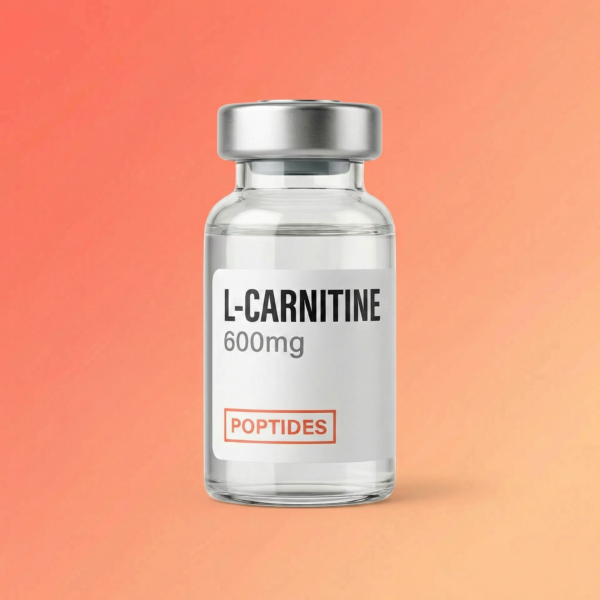
L-Carnitine Injectable
L-Carnitine — essential cofactor for mitochondrial fatty acid transport that increases fat oxidation, improves exercise performance, and supports cardiac energy metabolism.
- Transports long-chain fatty acids into mitochondria — the rate-limiting step in fat burning
- Significantly reduces exercise-induced muscle damage and soreness
- Injectable form bypasses GI absorption limits — higher bioavailability than oral
- Supports cardiac energy metabolism — the heart is highly carnitine-dependent
- Reduces post-exercise lactate and ammonia accumulation
Why people research L-Carnitine Injectable
These are the specific situations and goals that lead researchers to L-Carnitine Injectable. For research purposes only.
Dosage Calculator
Reference dosing by experience level. For research use only — always consult a licensed healthcare provider.
⚠ For research reference only. L-Carnitine Injectable is not approved for human use. Always consult a qualified healthcare professional.
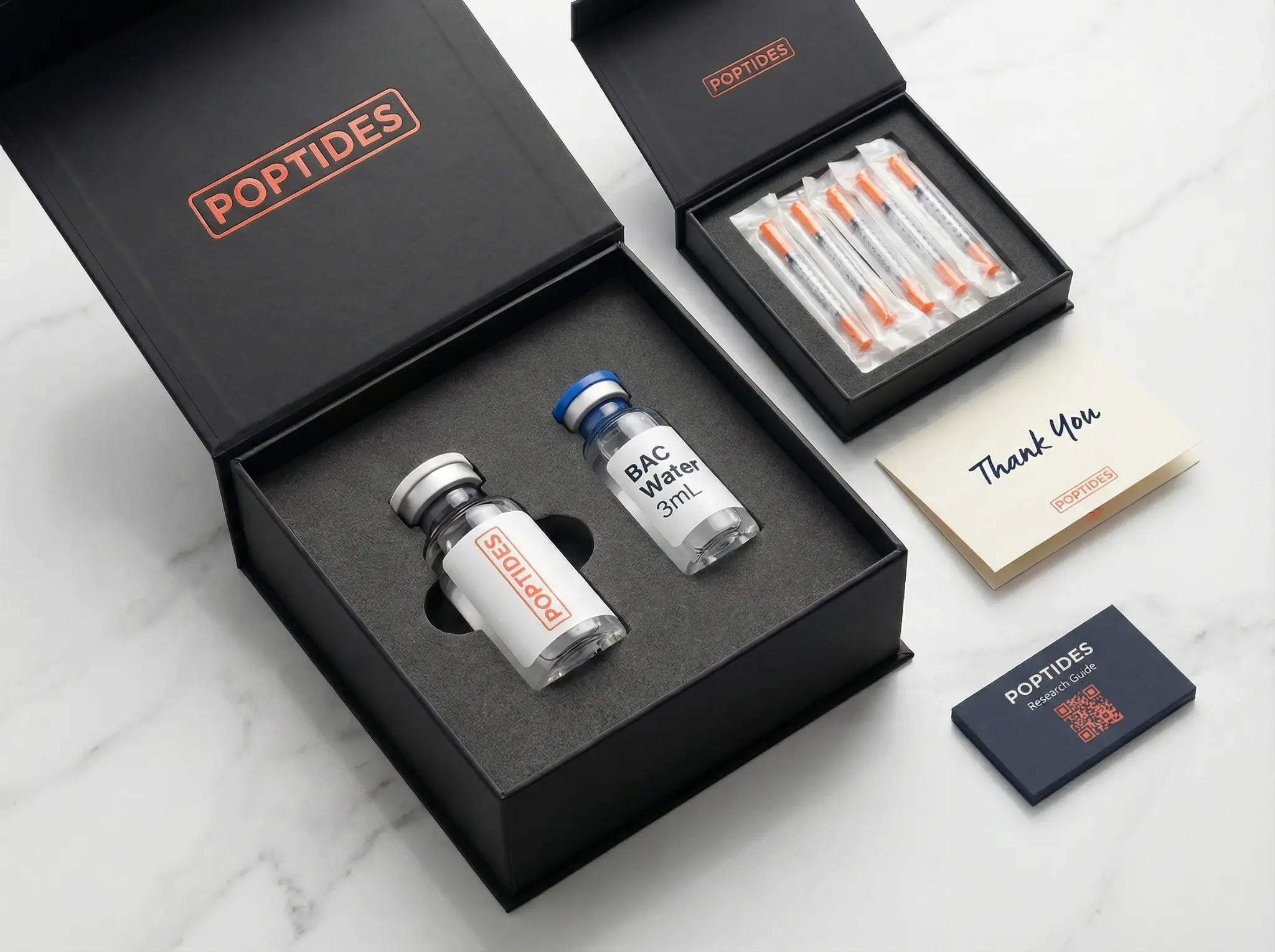
What's in the Box
Every Poptides order arrives in premium packaging, ready to use.
L-Carnitine Injectable Vial
Your selected amount of lyophilized L-Carnitine Injectable in a sealed, sterile glass vial with silver crimp cap. COA included on request.
BAC Water 3mL
Bacteriostatic water for reconstitution, included with every injectable peptide order. Maintains sterility for multi-dose use.
Syringe Kit
5 × insulin syringes with orange caps, individually sealed, in a dedicated Poptides-branded box.
Research Guide Card + Thank You Note
A QR code card linking to your product's research guide, plus a personal thank you note from the Poptides team.
Discreet Outer Packaging
All orders ship in plain, unmarked outer packaging with no reference to Poptides on the exterior.
How L-Carnitine Injectable Works
The mechanism of action, step by step.
Carnitine Palmitoyltransferase-1 System
Long-chain fatty acids cannot cross the inner mitochondrial membrane unaided. L-Carnitine forms acylcarnitine esters with fatty acids, enabling transport via the carnitine shuttle (CPT-1, CACT, CPT-2) across the inner mitochondrial membrane for beta-oxidation. Supplementing carnitine increases flux through this transport system.
Glucose Sparing and Fat Substrate Shift
By increasing fatty acid oxidation rates, L-Carnitine reduces reliance on glucose and glycogen during exercise. This substrate shift improves endurance by preserving glycogen stores for high-intensity efforts and extends the sustainable aerobic output before hitting the metabolic wall.
Muscle Damage Attenuation
L-Carnitine reduces markers of exercise-induced muscle damage (CK, LDH, myoglobin) and perceived muscle soreness. The mechanism involves reduced free radical production during intense effort and improved energy substrate availability, reducing the metabolic stress that drives post-exercise damage.
Cardiac Energy Support
The heart derives up to 70% of its energy from fatty acid oxidation and is one of the highest carnitine-consuming organs in the body. Carnitine supplementation improves cardiac efficiency, particularly in carnitine-deficient states or conditions of high cardiac metabolic demand.
Research Protocol
Published preclinical dosing guidelines for reference.
The Science Behind It
Peer-reviewed research supporting the mechanism of L-Carnitine Injectable.
L-Carnitine supplementation increases fat oxidation during exercise
Athletes supplemented with L-Carnitine showed significantly higher fat oxidation rates during moderate-intensity exercise, accompanied by reduced carbohydrate utilisation and glycogen depletion, demonstrating functional enhancement of the fatty acid transport system.
Journal of Physiology, 2011L-Carnitine reduces exercise-induced muscle damage markers
Controlled supplementation studies showed significant reductions in post-exercise CK, myoglobin, and subjective muscle soreness with L-Carnitine versus placebo, with the effect most pronounced in untrained subjects and at higher exercise intensities.
Metabolism, 2008Intravenous carnitine versus oral supplementation — bioavailability comparison
IV administration of L-Carnitine produced plasma concentrations 4-6 times higher than equivalent oral doses, with proportionally greater tissue uptake in skeletal and cardiac muscle — establishing the pharmacokinetic superiority of injectable delivery for therapeutic carnitine repletion.
Clinical Nutrition, 2000Customer Reviews
Verified purchases from Canadian customers.
Fasted cardio is in a different league
Pre-workout injectable carnitine alongside fasted morning training. Fat oxidation during steady-state is visibly improved — I can go 90 minutes at moderate intensity where before I would hit a wall at 60.
Muscle soreness reduction is real
Recovery from leg days improved significantly. CK was sky-high after squats before carnitine. Now significantly lower and next-day soreness is manageable rather than crippling. Worth using for recovery alone.
Injectable vs oral is a clear upgrade
Used oral carnitine for 2 years with modest results. Switched to injectable 2x weekly and the difference in energy and fat oxidation was immediate. The bioavailability difference is real.
Frequently Asked Questions
You May Also Like
 L-Carnitine Injectable